Smart automation changes this paradigm by enabling systems that think, adapt, and optimize in real time.
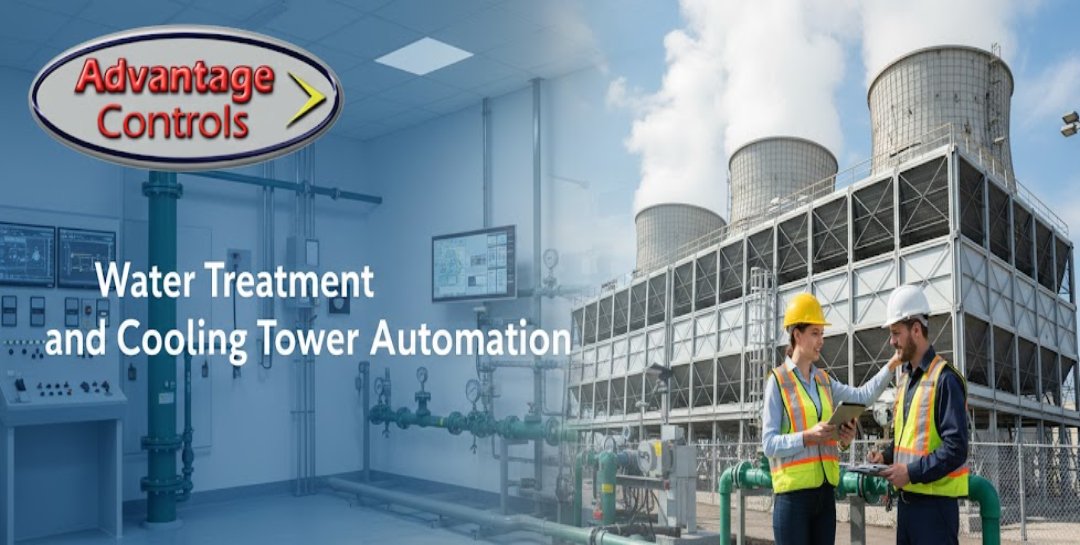
Water is one of the most essential resources in industrial operations — yet it is often one of the most complex systems to manage. From ensuring safe, compliant treatment to optimizing cooling performance, industrial water systems present unique challenges. With rising energy costs, stricter regulations, and the push for sustainability, smart automation has become a necessity — not a luxury.
Smart Automation Matters in Water Treatment
Traditional water treatment systems often rely on manual adjustments, periodic inspections, and reactive troubleshooting. While this may work at a basic level, it can lead to inefficiencies like:
Unoptimized chemical dosing
Manual record-keeping prone to human error
Delayed response to system upsets
Excessive energy and water consumption
With modern sensors, data analytics, and control logic, smart water treatment systems continuously monitor critical parameters such as pH, conductivity, turbidity, flow, and temperature. They then use that data to make instant adjustments — reducing waste, preventing corrosion, and ensuring compliance with environmental standards.
Advantage Controls harnesses this power of data-driven automation to transform water treatment from a maintenance burden to a performance advantage.
Benefits of Smart Water Treatment Automation
Real-Time Monitoring and Control
Smart systems capture real-time data from pumps, valves, and sensors across the water treatment cycle. Operators can visualize the entire process on dashboards, receive alerts for anomalies, and intervene before problems escalate.
By replacing periodic manual sampling with continuous digital measurements, facilities stay ahead of issues — reducing downtime and improving water quality consistency.
Precise Chemical Dosing
One of the most important aspects of water treatment is dosing chemicals accurately. Too little dosing can lead to contamination or corrosion; too much increases cost and environmental load.
Automated dosing systems adjust chemical feed instantly based on live sensor feedback, ensuring precise treatment while minimizing waste.
Predictive Maintenance
Smart systems continuously analyze device performance and flag early signs of wear or failure. This enables predictive maintenance — scheduling repairs before breakdowns occur — which reduces long outages and saves money.
Improved Compliance & Reporting
Stringent environmental and health regulations require accurate record-keeping. Automated systems log data continuously and generate compliance reports — reducing manual paperwork and audit stress.
Cooling Tower Challenges and the Need for Intelligent Control
Cooling towers are key components in many industrial facilities, HVAC systems, and power plants. They reject heat by evaporating and circulating water — but they must balance performance, water usage, and energy consumption.
If left uncontrolled, cooling towers can suffer from:
Excessive water loss
Inefficient fan and pump operation
Scaling, fouling, and biological growth
Poor temperature control and energy waste
Advantage Controls’ Cooling Tower Control Solutions integrate advanced automation to optimize performance and significantly reduce operating costs.
Advantage Controls’ Cooling Tower Automation
Variable Speed Drive Integration
Instead of running fans and pumps at full speed constantly, variable speed drives (VSDs) adjust motor speeds based on real performance demand. This yields major energy savings and extends equipment lifespan.
Advanced Temperature and Humidity Controls
Smart controllers measure ambient conditions and tower makeup water temperature in real time. They then adjust cooling parameters automatically to maintain target setpoints, improving thermal efficiency.
Automated Blowdown and Conductivity Control
Conductivity control prevents build-up of dissolved solids by automatically initiating blowdown cycles only when needed — reducing water wastage and chemical treatment costs.
Alarm and Fault Detection
If a fan fails, a pump overheats, or variables drift out of range, the system generates alerts instantly. Operators receive notifications via HMI screens or mobile apps — enabling quick resolution and minimizing risk.
Modern industry demands smarter water management and optimized cooling — and automation is the key enabler. Whether you are modernizing an existing facility or designing a new system, smart automation and cooling tower control are investments that pay dividends in efficiency, sustainability, and long-term performance.Smart Control for Smarter Operations